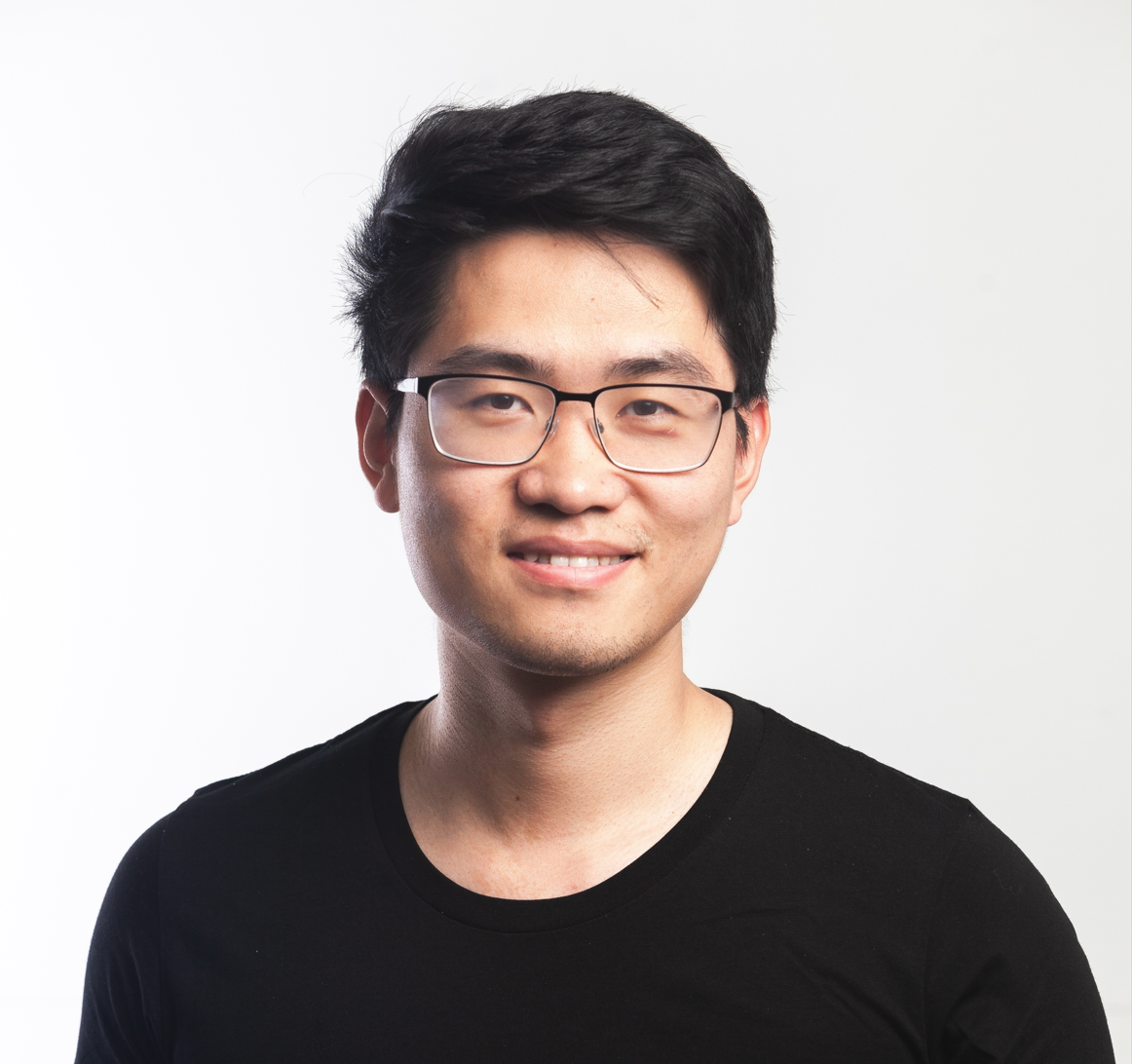
Dr Xing Wang is currently a Lecturer in Robotics Engineering at the University of Canberra, where his research focuses on agricultural robotics, soft robotics, and the integration of robotic manipulation with machine learning-based perception systems.
Prior to this role, Dr Wang was a Postdoctoral Research Fellow at CSIRO Robotics, Data61 (2022 – 2024), where he worked on computational design methods for soft robotics, contributing to both the theoretical and applied advancements in adaptive and compliant robotic systems.
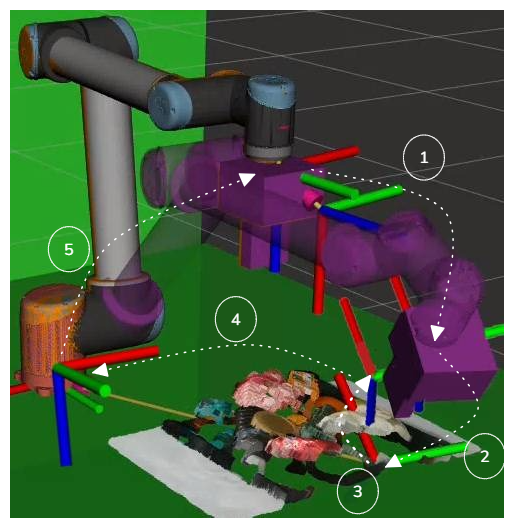
Dr Wang is also one of the four key inventors of the Monash Apple Retrieving System (MARS), an autonomous apple-harvesting robot designed for real-world agricultural deployment. The system was awarded a provisional Australian patent AU 2021904217 and has been widely recognised in the field of agri-tech, featured in over 50 national and international media outlets, including BBC News and ABC News. MARS was also demonstrated at Agriculture Victoria’s Tatura Smart Farm in March 2022.
Dr Wang holds a PhD in Robotics from Monash University, which he completed in 2022 with an “Excellent” grade in the thesis examination. He also holds a Bachelor of Engineering (First Class Honours) from Monash University (2018), as well as a Bachelor of Mechanical Engineering from Central South University (China), completed through a 2+2 joint program.

 Damith Herath