Adaptive Gaze Modulation in Social Robots: A Reinforcement Learning Approach to Attention Regulation
Oct 19, 2025
More
·
10.1109/IROS60139.2025.11247106 In this paper, we present a novel framework for robotic attention modulation that enables dynamic regulation between attention-seeking and attention-avoidance behaviours through gaze feedback. For this feedback, we incorporate SGE with gaze fixation counts to create a metric that evaluates not just the quantity but also the quality of visual attention. Our approach implements two complementary modules, a Gaze Avoidance Module (GAM) and a Gaze Garnering Module (GGM), both powered by reinforcement learning (RL) algorithms that respond to real-time human gaze patterns. Thus the system continuously adapts to each individual’s current gaze feedback level, dynamically calibrating the robot’s attention-modulating behaviours to match personal attention thresholds. This personalisation ensures that the robot can effectively engage with users when needed, while remaining unobtrusive when appropriate, all based on real-time analysis of human gaze patterns.
ICMI’25 Grand Challenge: A Thermal and Spectral Multimodal Image Dataset for Contaminant Detection in Industrial Organic Food Waste
Oct 12, 2025
More
·
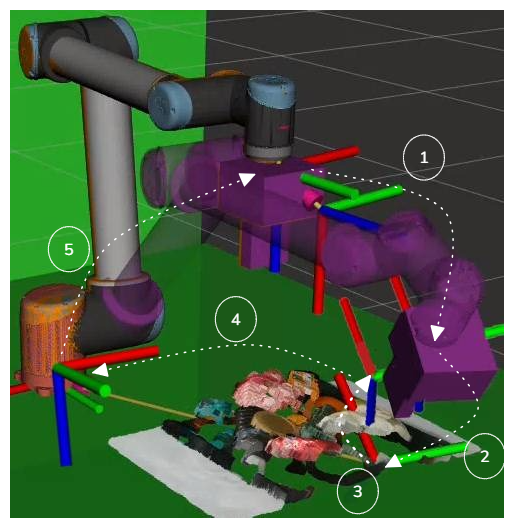
10.1145/3716553.3759262 Organic waste management is a crucial component of a circular economy, which prioritizes reducing waste through the reuse and recycling of products and materials. It is a tedious and complicated task, largely accomplished through manual labor. We introduce a novel ‘in-the-wild’ multimodal image dataset of 15-band NIR multi-spectral and single band thermal images of bulk food waste in an industrial setting. The dataset showcases a number of complex computer vision problems that are unavoidable constraints in this setting. Benchmarking against different computer vision algorithms is performed to highlight these challenges. The key issues and their place in robotic waste processing for industrial applications, and grand challenge objectives are discussed.
Real-time social presence modulation of embodied ai-based robots: An audio-centric approach
This paper introduces the initial phase of a dynamic SP framework, emphasizing context identification. Psychological research links contextual awareness to improved interactions, fostering empathy and adaptability. Applying this to HRI may enhance comfort and support by mirroring social dynamics. Accurate context identification is crucial, as it directly enables effective SP modulation.
The Body in Affective Robotics: A Survey and Conceptual Positioning Using the Performing Arts as a Scaffold for Understanding Bodily Expressed Emotion
Aug 13, 2025
More
·
10.1109/IROS60139.2025.11247106 In this paper, we survey the field of affective robotics, focusing on bodily expressed emotion—both recognising affect through human body movements and postures, and generating robotic movement that is perceived as emotional by human observers. We frame this examination through the lens of the performing arts, drawing on an art-inspired case study alongside foundational background material to explore the expressive potential of robots. This close engagement with the performing arts reveals the intense malleability and diversity of bodily expression, challenging some prevailing goals in the field—such as designing generally "happy" robotic movement—and highlighting the importance of context and interactional intent. We conclude by proposing future directions for bodily expressed affective robotics that integrate advances from both robotics and the performing arts
Capabilities2 for ROS2: Advanced Skill-Based Control for Human-Robot Interaction
Jun 30, 2025
More
·
10.1109/HRI61500.2025.10973863 This paper presents Capabilities2, an advanced skill-based control framework for human-robot interaction (HRI) in ROS2. Capabilities2 enables robots to perform complex tasks by defining and managing skills, which are modular units of functionality. The framework facilitates interoperability, communication, and service management between different components of the robot system, enhancing the robot's ability to interact effectively with humans.
Are Robots Social Beings? Exploring Embodiment and Social Presence in Human-Robot Interactions
This paper provides a foundation for further study into social presence in HRI, by clarifying mechanisms of quantifying and experimentally manipulating social presence, allowing insight into ways in which this factor drives HRI.
Exploring Dramaturgical Potential in Human-Robot Ensembles: A Practice-as-Research Investigation through Devised Physical Theatre
This paper investigates the dramaturgical potential of human-robot ensembles through a practice-as-research approach, utilizing devised physical theatre to explore new dimensions of human-robot interaction.
Reframing Social Presence for Human Robot Interaction
Jan 15, 2025
More
·
10.5555/3721488.3721751 This paper presents a new framework for understanding and designing social presence in human-robot interaction, based on empirical studies and theoretical analysis.
Unleashing Artificial Cognition: Integrating Multiple AI Systems
Jun 30, 2024
More
·
10.5555/3721488.3721751 This paper explores the integration of multiple AI systems to unleash artificial cognition, presenting a novel framework for combining different AI models to achieve more complex and human-like cognitive abilities.
Robots and Aged Care: A Case Study Assessing Implementation of Service Robots in an Aged Care Home
Dec 31, 2023
More
·
10.1109/RO-MAN57019.2023.10309361 This paper presents a case study on the early-stage implementation of service robots in an aged care home in Australia, identifying key facilitators and barriers to successful deployment and providing a blueprint for long-term effectiveness and commercial viability of robots in aged care.
The Uncanny Effect of Speech: the Impact of Appearance and Speaking on Impression Formation in Human–Robot Interactions
Dec 31, 2023
More
·
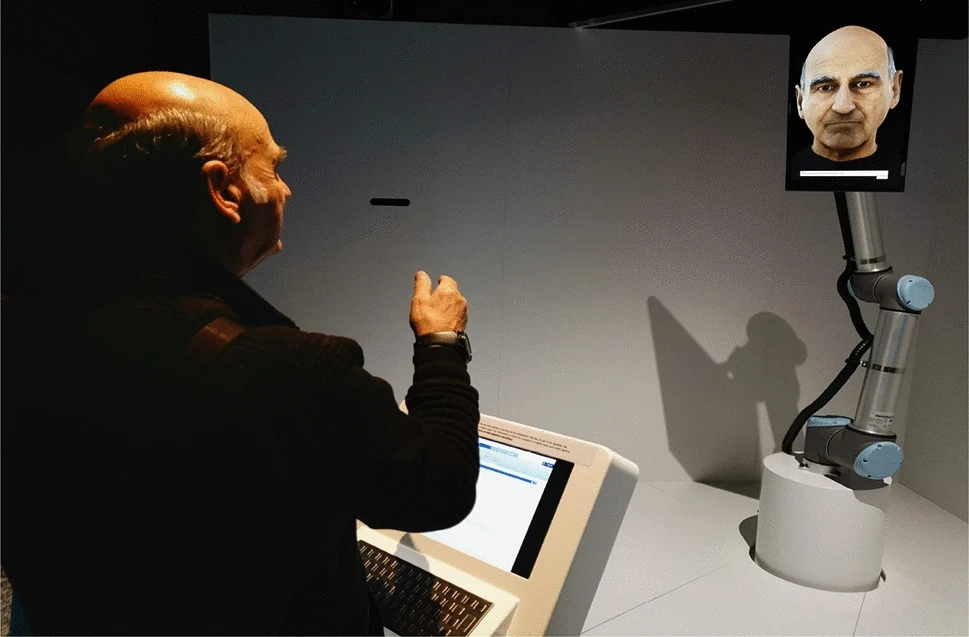
10.1007/s12369-023-00976-4 This study explores the impact of appearance and speech on human perceptions of faces in human-robot interactions. Three videos were generated depicting the real face of an artist and two virtual versions of the same artist, with increasing resolution and fidelity. Each video was presented with and without speech, with matching levels of fidelity to the faces.
Can Synthetic Data Improve Multi-Class Counting of Surgical Instruments?
Nov 30, 2022
More
·
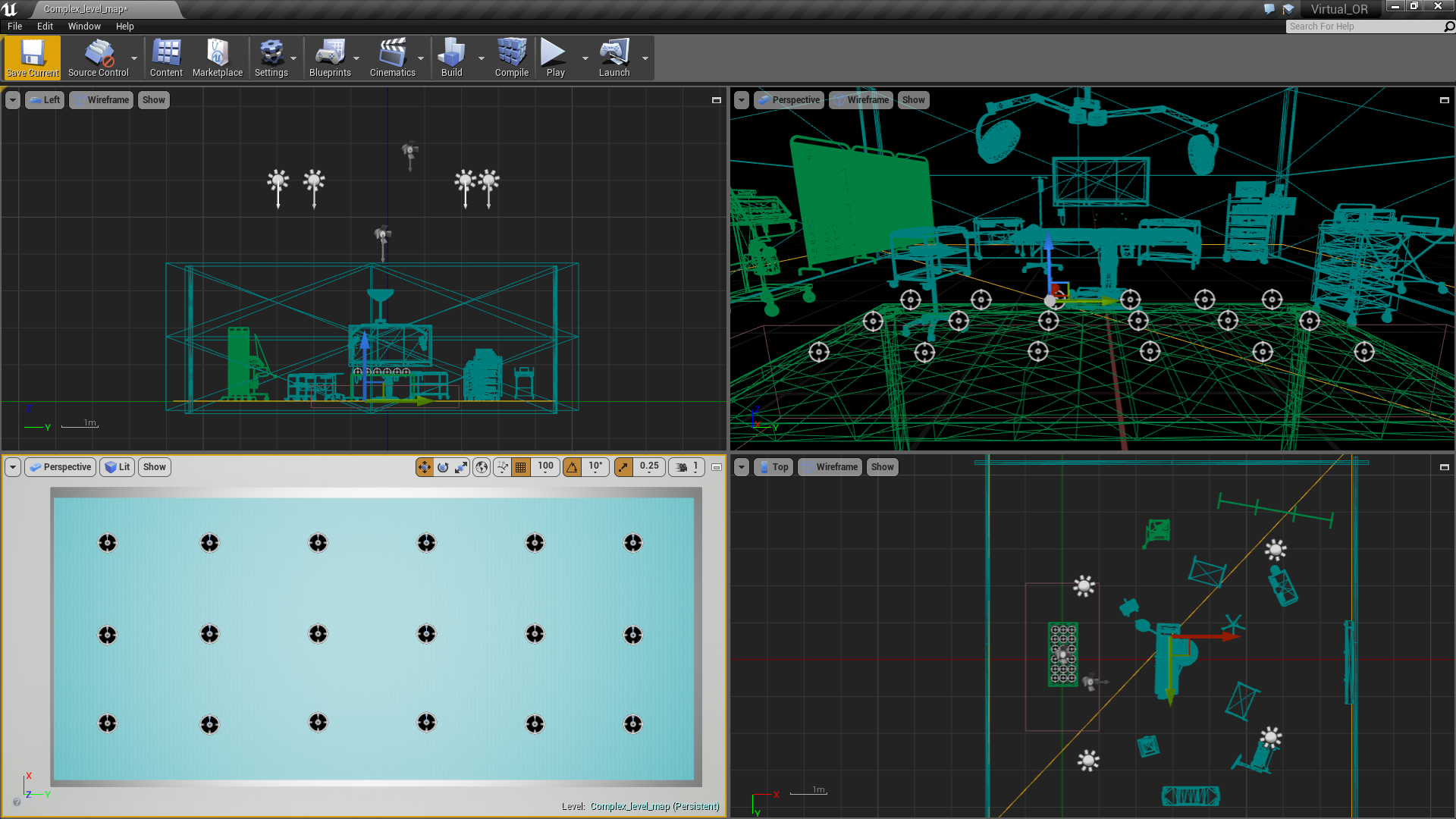
10.1109/DICTA56598.2022.10034591 Counting is a common preventative measure taken to ensure surgical instruments are not retained during surgery, which could cause serious detrimental effects including chronic pain and sepsis. A hybrid human-AI system could support or partially automate this manual counting of instruments. An important element to evaluate the viability of using deep learning computer vision-based counting is a suitable large-scale dataset of surgical instruments. Other domains, such as crowd analysis and instance counting, have leveraged synthetic datasets to evaluate and augment different approaches. We present a synthetic dataset (SORT), which is complemented by a smaller real-world dataset of surgical instruments (MSMI), to assess the hypothesis of whether synthetic training data can improve the performance of multi-class multi-instance counting models when applied to real-world data. In this preliminary study, we provide comparative baselines for various popular counting techniques on synthetic data, such as direct regression, segmentation, localisation, and density estimation. These experiments are repeated at different resolutions – full high-definition (1080×1920 pixels), half (690×540 pixels), and a quarter (480×270 pixels) – to measure the robustness of different supervision methods to varying image scales. The results indicate that neither the degree of supervision nor the image resolution during model training impact performance significantly on the synthetic data. However, when testing on the real-world instrument dataset, the models trained on synthetic data were significantly less accurate. These results indicate a need for further work in either the refinement of the synthetic depictions or fine-tuning upon real-world data to achieve similar performance in domain adaptation scenarios compared to training and testing solely on the synthetic data.
Arts + Health: : New Approaches to Arts and Robots in Health Care
Dec 31, 2020
More
·
10.1145/3371382.3380733 This paper describes the implementation and evaluation of a public interactive robotic art installation in a rehabilitation hospital, aiming to provide an enjoyable artistic experience and to understand how human-centred robotics might promote wellbeing and quality of life for hospital communities.
To Embody or Not: A Cross Human-Robot and Human-Computer Interaction (HRI/HCI) Study on the Efficacy of Physical Embodiment
Dec 31, 2020
More
·
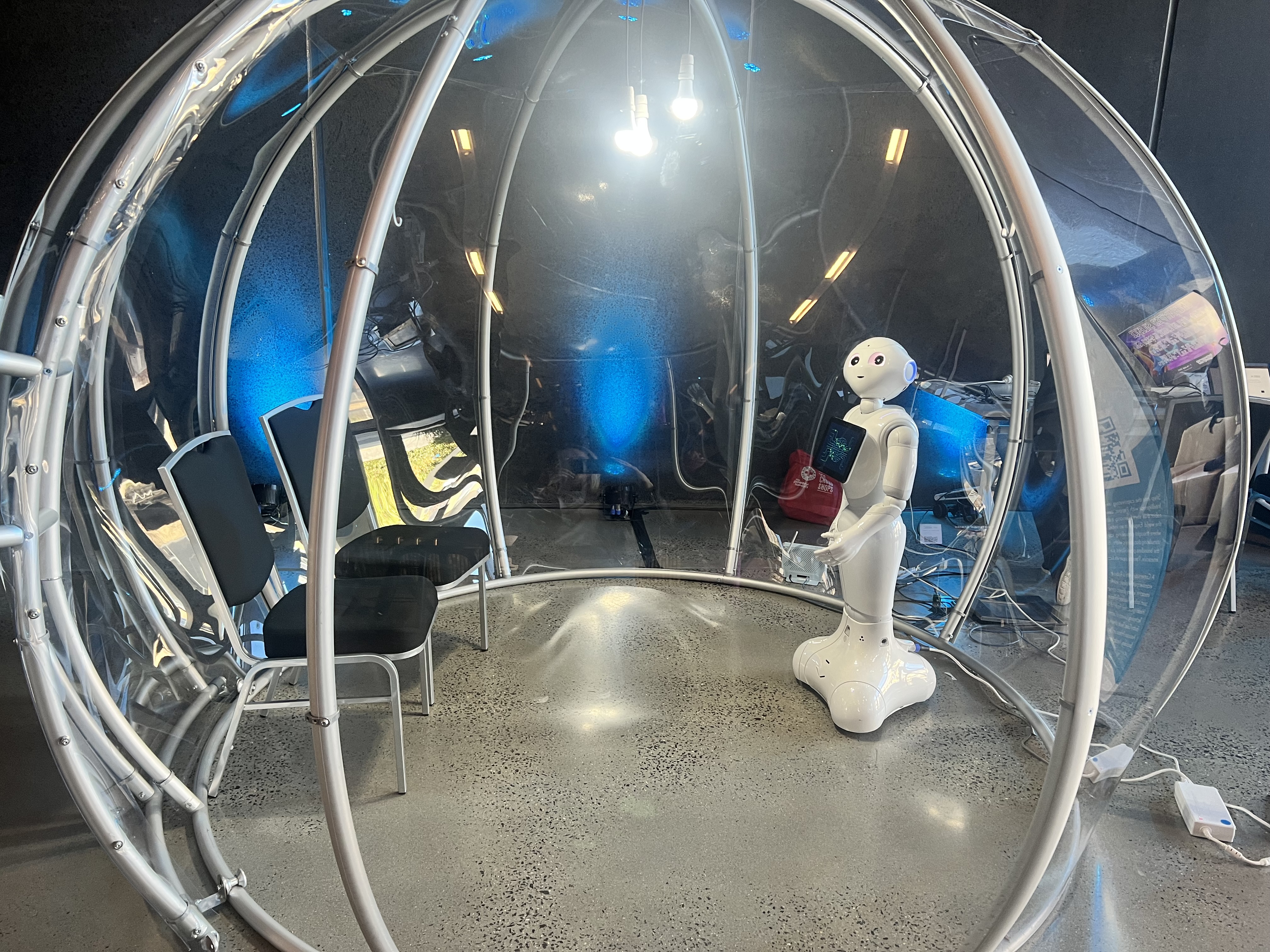
10.1109/ICARCV50220.2020.9305520 This paper explores the efficacy of physical embodiment in social robots through a cross human-robot and human-computer interaction study conducted in a public setting, highlighting the importance of in-the-wild user studies for the commercial viability of social robots.
Towards the Design of a Human-Inspired Gripper for Textile Manipulation
Dec 31, 2020
More
·
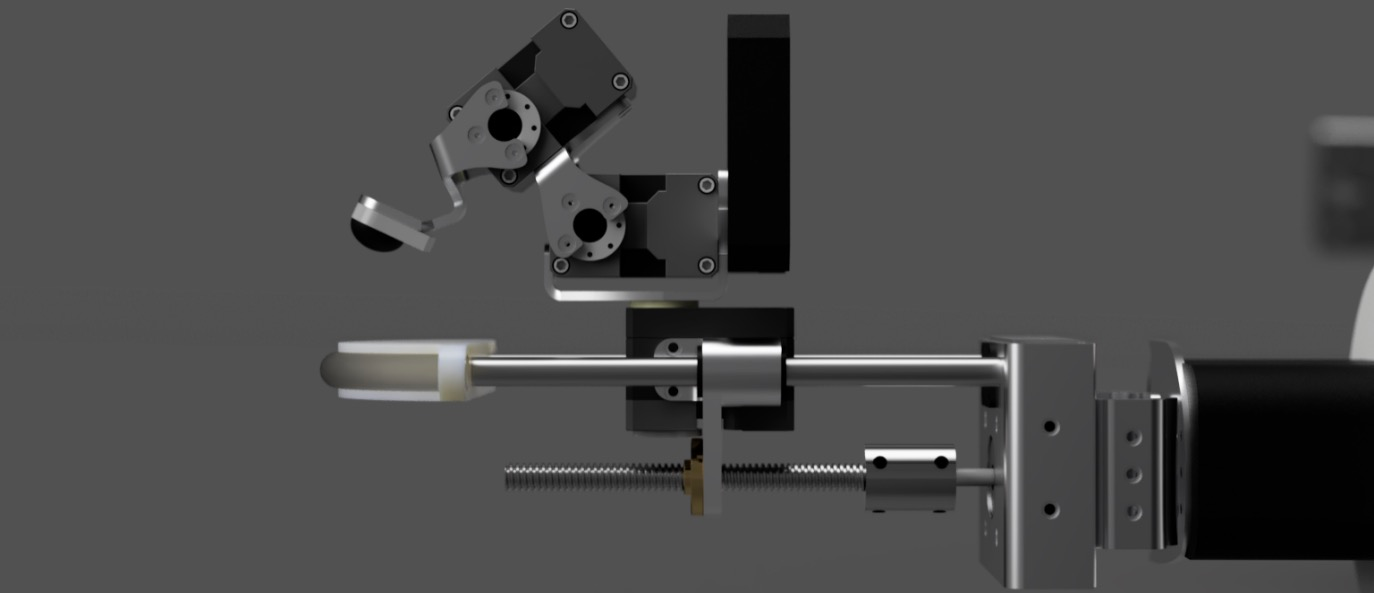
10.1109/CASE48305.2020.9216964 This paper presents the design of a human-inspired gripper for textile manipulation, drawing on insights from human hand biomechanics and textile handling techniques to create a gripper that can effectively manipulate textiles in waste sorting applications.
A Proposed Wizard of OZ Architecture for a Human-Robot Collaborative Drawing Task
Nov 27, 2018
More
·
10.1007/978-3-030-05204-1_4 Researching human-robot interaction “in the wild” can sometimes require insight from different fields. Experiments that involve collaborative tasks are valuable opportunities for studying HRI and developing new tools. The following describes a framework for an “in the wild” experiment situated in a public museum that involved a Wizard of OZ (WOZ) controlled robot. The UR10 is a non-humanoid collaborative robot arm and was programmed to engage in a collaborative drawing task. The purpose of this study was to evaluate how movement by a non-humanoid robot could affect participant experience. While the current framework is designed for this particular task, the control architecture could be built upon to provide a base for various collaborative studies.




 Maleen Jayasuriya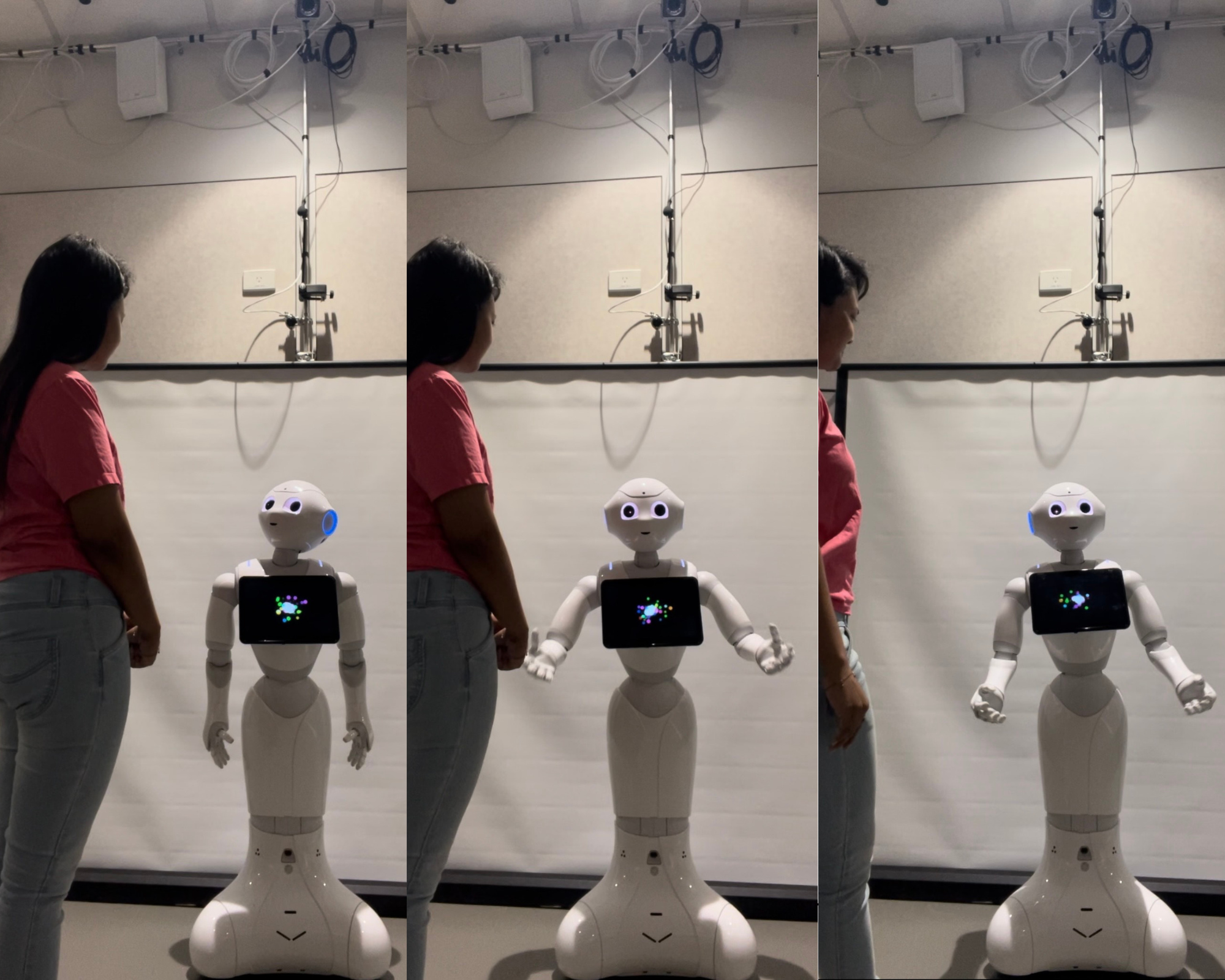
 Janie Busby Grant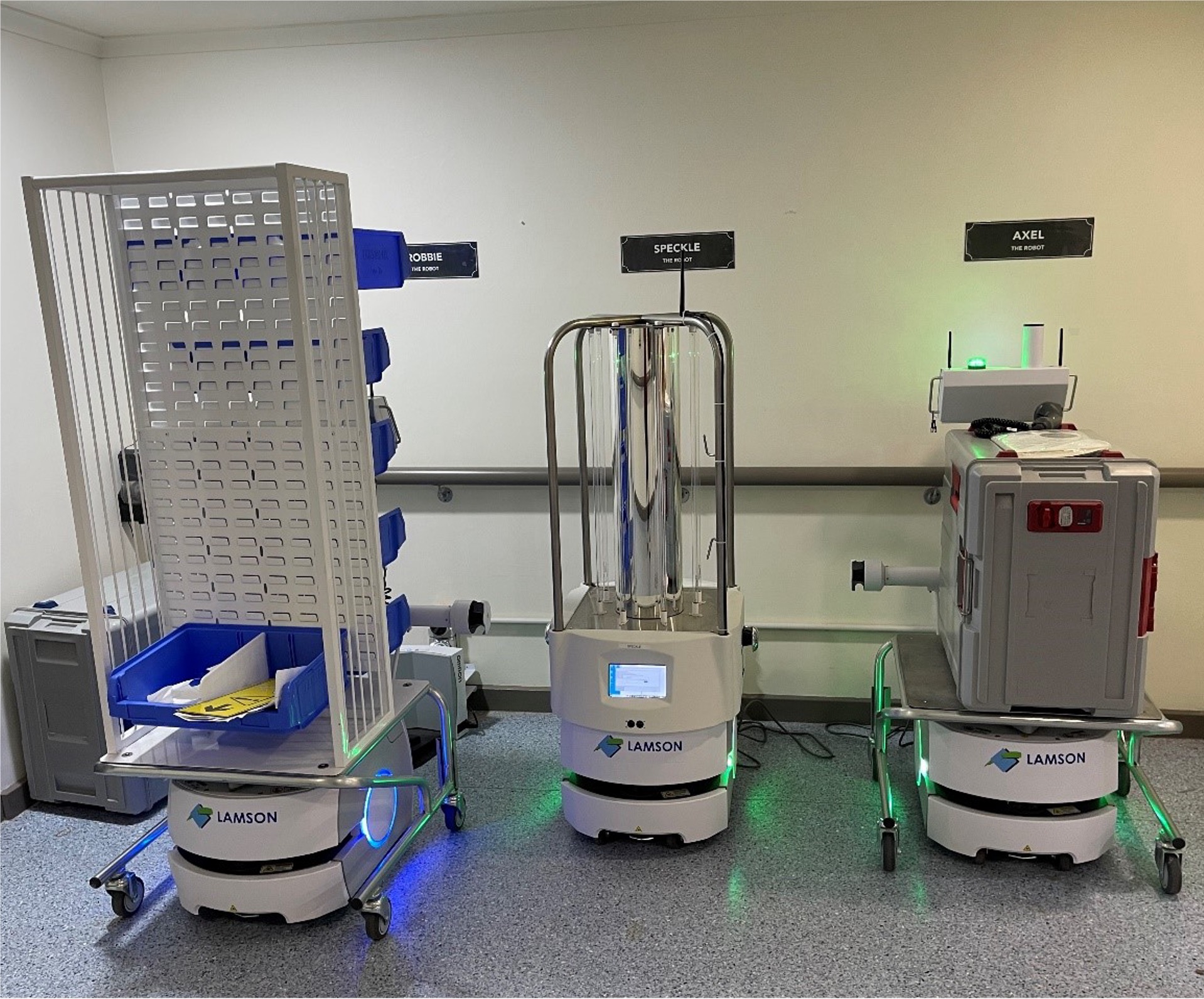

 David Hinwood